While southern Germany is defined by mountains, forests, and mystery, western Germany has been shaped by rivers, borders, industry, and exchange. For centuries, this part of the country has been Germany’s entry point to the wider world, where ideas, goods, and people traversed continents and cultures overlapped.
This article explores four states whose identities are closely tied to trade and transformation: North Rhine–Westphalia, Saarland, Lower Saxony, and Bremen. Though distinct in character, these states share a common heritage of openness, adaptability, and cultural blends— qualities that continue to define them today.
North Rhine–Westphalia (Nordrhein-Westfalen)
Think: Industry, art, and a legacy of invention
North Rhine–Westphalia, often abbreviated as NRW, is the most populous state in Germany. Shaped by the Rhine and Ruhr rivers, this region became an industrial powerhouse during the 19th and 20th centuries, drawing workers, artists, and entrepreneurs from across Europe.
A rich landscape of coal deposits cemented NRW’s importance in the German economy. While many of these industrial facilities have now been shut down, they have been reinvented as museums, concert halls, and design spaces. Cities like Cologne and Düsseldorf blend reconstructed medieval landmarks with contemporary architecture and fashion-forward neighborhoods.
You may find NRW less romantic at first glance, but I encourage you to seek the details that make it deeply compelling. Its culture is open, sociable, and creative, with a strong emphasis on arts, museums, and everyday livability. As is consistent across the country, this region doesn’t hide its history. It is respected and refreshed.
Destination Highlight: Zollverein Coal Mine Industrial Complex, a World Heritage Site that offers museums, art studios, and flavorful dining options across a nearly 250-acre footprint.
Saarland
Think: Borderland identity and Franco-German influence
Small but diverse, Saarland sits at the border of Germany and France, with an identity that has continually been shaped by that position. Over the centuries, the region shifted between nations, absorbing cultural factors that are still visible in language, cuisine, and architecture.
The rolling hills, river valleys, and former mining areas unite this area to the rest of the country with its typically German pragmatism. French culinary influence is especially strong here, giving Saarland one of Germany’s most distinctive food scenes — refined yet deeply rooted in local ingredients.
Due to its size, Saarland feels intimate and understated. It’s less about marquee sights and more about atmosphere: scenic drives, quiet towns, and a sense of cultural blending that blurs the borders between Germany and France.
Destination Highlight: Völklingen Ironworks, the only fully intact example of an integrated ironworks that is also preserved thanks to its standing as a UNESCO site.
Lower Saxony (Niedersachsen)
Think: Wide landscapes, folklore, and resilience
Stretching from the North Sea coast deep into central Germany, Lower Saxony is defined by scale and variety. Flat coastal plains, heathlands, forests, and mountain foothills shaped a culture grounded in agriculture, folklore, and regional independence.
Practicality and self-sufficiency are highly valued here. Villages developed around farming and trade routes, while legends and fairy tales took root in the forests and hills — including many stories collected by the Brothers Grimm.
Travelers often experience Lower Saxony as calm and expansive. The horizon is almost reminiscent of the UK, inviting reflection rather than spectacle. The historic towns, open skies, and nature reserves appeal to those who appreciate quiet beauty over crowds.
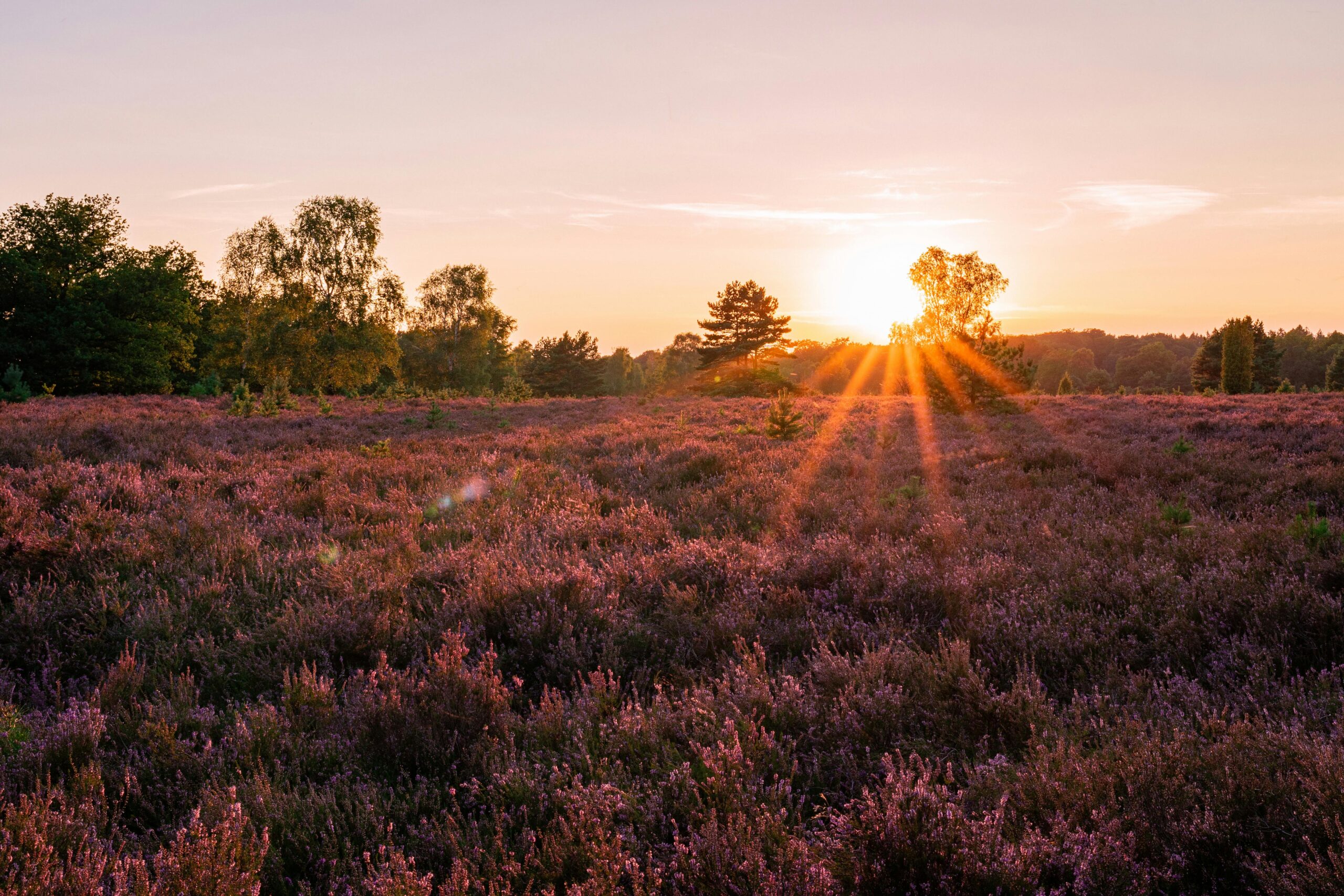
Destination Highlight: The Lüneburg Heath, a vast plain of heather with hiking trails and charming villages, including one that is strictly for pedestrian traffic.
Bremen
Think: Maritime heritage and merchant tradition
As one of Germany’s smallest states, Bremen consists of two cities — Bremen and Bremerhaven — both shaped by centuries of maritime trade. As a member of the Hanseatic League, Bremen developed a proud merchant culture rooted in independence, commerce, and international connection.
This history fostered an identity that values civic pride, storytelling, and cultural exchange. The famous Town Musicians of Bremen may be a fairy tale, but the city’s blend of medieval architecture and historic port life reflects a legacy of adaptability.
For travelers, Bremen offers a charming, walkable experience with strong maritime character. River promenades, iconic market squares, and cultural institutions reveal a city that has long looked outward — toward the sea and the continents that lie beyond.
Destination Highlight: Town Hall and Roland Statue at Bremen’s main square, another UNESCO site featuring an ornate structure dating back to the 15th century.
Bringing These States Together
North Rhine–Westphalia, Saarland, Lower Saxony, and Bremen all share identities shaped by movement rather than isolation. Rivers, borders, ports, and trade routes encouraged exchange, fortitude, and reinvention.
Together, they are a gateway to a Germany that is:
- Open and outward-looking
- Culturally diverse
- Reverent of change and tradition
For visitors, these states offer a meaningful contrast to southern Germany — showing how history, industry, and creativity coexist.
What’s Next in the Germany Series
In the next article, we’ll move east to explore Germany’s intellectual heartland, where forests, music, philosophy, and artistic legacy shaped some of the country’s most influential ideas.
To follow the series as it unfolds, be sure to sign up for my email list! You’ll be informed of each article when it posts, designed to build a richer understanding of Germany as a destination.
Missed last week’s article on the southern states? You can check it out here!

Let’s work on your personalized Germany itinerary!
Find me on Travel Leaders Network!


