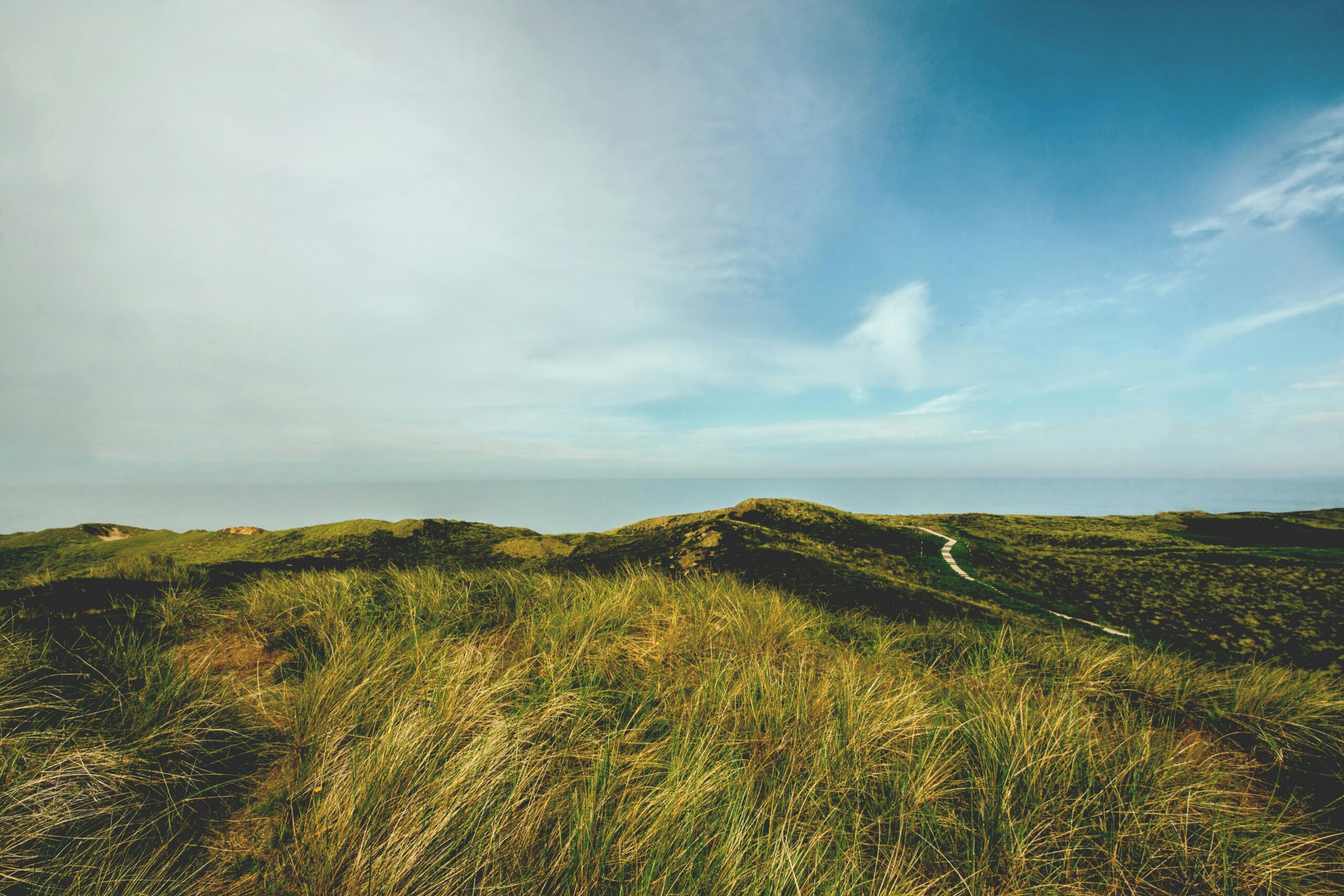
Northern Germany feels expansive — geographically and culturally. Here, more than anywhere else in the country, water becomes a defining presence. Centuries of trade, maritime life, and political transformation shaped a region that today values clarity, resilience, and forward-thinking.
This final chapter explores four northern states that represent Germany’s outward-facing identity: Berlin, Hamburg, Mecklenburg–Western Pomerania, and Schleswig-Holstein. Together, they reveal a Germany shaped by openness — to the sea, to innovation, and to cultural exchange.
Berlin
Think: Reinvention, creativity, and layered identity
Berlin is a city-state defined less by geography than by history — though its rivers, canals, and green spaces are favorite spaces in locals’ daily life. Rebuilt and reimagined repeatedly, Berlin developed a culture of experimentation, openness, and creative freedom.
Without mountains or medieval walls to constrain it, the city expanded outward, absorbing villages and neighborhoods into a mosaic of identities. Later divided between east and west, this reunited city-state is quite the storied national capital.
For travelers, Berlin requires a little more effort to get to know. While not entirely picturesque, it rewards curiosity — those diverse neighborhoods offering a variety of lifestyles, museums that make history personal, and a creative scene that is constantly evolving.
Destination Highlight: Museum Island, a UNESCO World Heritage site, featuring institutions like the Pergamon Museum and Neues Museum.
Hamburg
Think: Maritime significance and understated elegance
Hamburg’s identity is inseparable from water. The Elbe River, canals, and one of Europe’s largest ports shaped a city built on trade rather than royal display. Wealth here has tends to be more discreet, and invested in quality, architecture, and long-term vision.
You’ll find the people here pragmatic, cosmopolitan, and quietly sophisticated. Hamburgers (yes, that’s what you call someone from Hamburg) value reliability and refinement over spectacle — a sensibility reflected in the city’s dining scene, neighborhoods, and modern constructed works.
Travelers experience Hamburg as polished yet relaxed: expansive waterfronts, leafy residential districts, and cultural institutions that may even feel reminiscent of Amsterdam.
Destination Highlight: Speicherstadt, the world’s largest warehouse complex of red-brick built in the 1880s.
Mecklenburg–Western Pomerania (Mecklenburg-Vorpommern)
Think: Stillness, nature, and noble heritage
A deeply serene region in Germany, Mecklenburg–Western Pomerania is defined by lakes, forests, and an unspoiled Baltic coastline — landscapes that historically supported agriculture and aristocratic estates rather than dense urban centers.
As a result, you’ll find grand manor houses and castles dotting the countryside, reflecting centuries of landownership by nobles, while fishing villages and seaside resorts preserve a slower rhythm of life.
For travelers, this is one of those destinations offering rare quiet — ideal for those seeking restorative travel, elegant retreats, and scenic beauty without crowds.
Destination Highlight: Müritz National Park, a haven of interconnected lakes, waterways, and protected forests that can be explored on foot, with bikes, or on the water.
Schleswig-Holstein
Think: Between two seas, shaped by light and wind
Bordered by both the North Sea and the Baltic Sea, Schleswig-Holstein carries a dual coastal identity. The western coast is dramatic and elemental, shaped by tides and storms, while the eastern Baltic side is gentler — defined by sailing towns, calm waters, and pastel harbors.
The culture here is marked by resilience, restraint and hospitality. Danish influence remains visible in architecture, cuisine, and design, contributing to an aesthetic that is clean, functional, and beautiful in its simplicity.
Travel here feels refreshing rather than indulgent — focused on air, space, and the restorative power of the sea.
Destination Highlight: Seaside resorts like Travemünde, an elegant escape you can enjoy at your own pace.
Bringing These States Together
Berlin, Hamburg, Mecklenburg–Western Pomerania, and Schleswig-Holstein are united by a sense of openness — physical and cultural. Their identities are shaped by:
- Waterways and coastlines
- Trade, exchange, and movement
- A preference for substance over ornament
Together, they reflect a Germany that looks outward — modern, cultured, and deeply mindful of both what’s within its borders, and the countries surrounding it.
Completing the Journey
With this final article, the series comes full circle — from alpine traditions and river valleys to open plains and northern seas. Germany reveals itself not as a single experience, but as a collection of deeply distinct places shaped by land, history, and culture.
If you’d like to continue exploring Germany through more focused lenses — delving deep into some of its cities and distinct features — I invite you to join my email list so you’ll be notified as new segments are released.
Missed last week’s article on the eastern states? You can check it out here!

Let’s work on your personalized Germany itinerary!
Find me on Travel Leaders Network!


