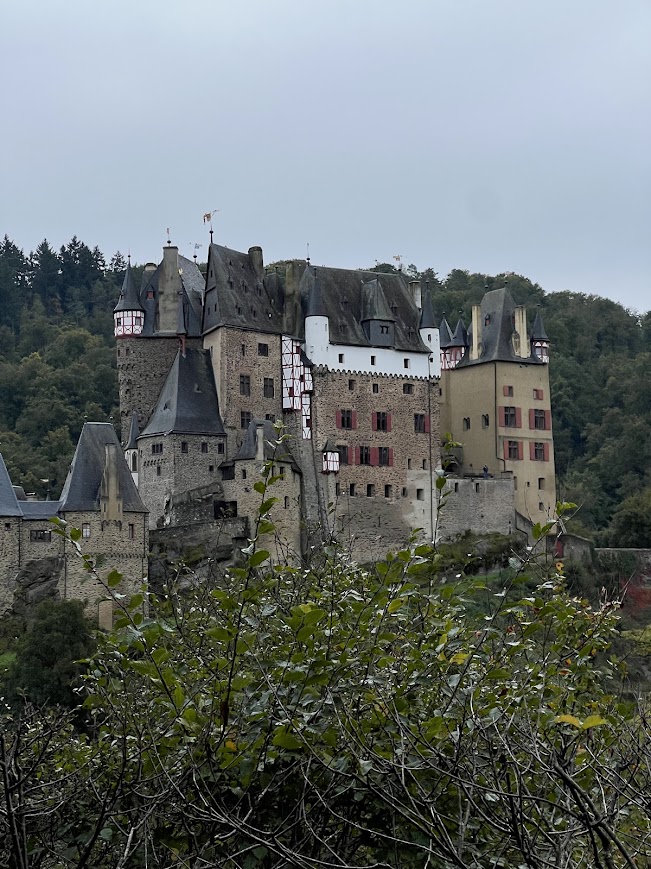
Geography and culture are deeply intertwined in Germany. Its mountains, forests, plains, and coastlines have shaped everything from dialects and architecture to cuisine and daily life. Getting a grasp on the country’s major geographic regions helps you appreciate the nuances of each area and the diversity represented within their natural borders.
Check out this overview of Germany’s six major geographic regions and the cultural rhythms, landscapes, and travel experiences each one offers.
1. The Alps & Alpine Foreland
Southern Bavaria — dramatic landscapes, folkloric tradition, and a strong alpine identity
Southern Germany’s Alpine region is defined by towering peaks, glacier-carved lakes, and broad meadows that lead into the foothills known as the Alpine Foreland. As you can imagine, this landscape has shaped a culture deeply tied to mountain life.
What Makes It Distinct
- Jagged mountain silhouettes and emerald lakes (Königssee)
- Storybook villages with painted facades (Lüftlmalerei)
- Architecture designed for alpine weather: steep roofs, carved balconies, woodwork
Geography & Culture
Cattle herding, alpine dairy, and transhumance influenced the local cuisine: cheeses, butter, hearty breads, and dishes meant for providing warmth in bitter winters.
Folklore remains strong here — masked winter traditions, music, woodcarving, and tradition clothing (Trachten) all stem from centuries of life shaped by the Alps.
This region and the next, the Black Forest, are where most of the German stereotypes are founded. A beautiful area, you will find castles, mountain chalets, lakeside paths, and the romantic Alpine atmosphere drawing you in for every season.
2. The Black Forest & Swabian Alb
Southwest Germany — forested hills, spa culture, innovation, and a strong artisan tradition
This region blends two distinct but related landscapes: the dense, myth-wrapped Black Forest (Schwarzwald) and the low mountain range of the Swabian Alb. Together, they form a culturally rich area shaped by forest life, craftsmanship, and a blend of German and neighboring French influences.
What Makes It Distinct
- Deep forests, waterfalls, and peaceful valleys
- Traditional farmhouses with long sloping roofs
- A famous culinary tradition (Black Forest ham, cakes, cherry spirits)
- Elegant spa towns with Roman heritage (Baden-Baden)
- Cuckoo clocks, precision craftsmanship, and engineering heritage
- Castles adorning clifftops
Geography & Culture
The deep forests and limestone plateaus of southwestern Germany form a dynamic landscape. The dense Black Forest has inspired folklore and craftsmanship traditions—from intricate cuckoo clocks to ornate wood carving—while the Swabian Alb’s rugged hills have encouraged a culture of resourcefulness.
You’ll find the geography creates an atmosphere that is both grounding and quietly enchanting: misty trails that feel made for wandering, villages that appear suspended in time, and cuisine shaped by pastoral life. Here, nature feels personal rather than grandiose, and where cultural depth reveals itself slowly and richly.
The hills also harbor thermal springs, which gave birth to a spa culture going back to Roman times. Today, wellness remains an integral part of local identity!
When you visit, expect tranquil landscapes, soothing spa experiences, artisan traditions, and charming small towns that feel timeless.
3. The Rhine River Valley
West Germany — terraced vineyards, medieval trade routes, and castle-dotted hills
The Rhine River is one of Europe’s great cultural corridors. Its valley is known for its steep vineyards, romantic castles, and colorful waterfront towns.
What Makes It Distinct
- Dramatic terraced vineyards along river cliffs
- Hilltop fortresses and castle ruins
- Wine villages with that half-timbered aesthetic
- A long history of trade, shaping cosmopolitan local identities
Geography & Culture
The Rhine has connected cultures for millennia. Because of its strategic location, the valley became a center for:
- Wine cultivation (especially Riesling)
- Trade and commerce that brought wealth, international products, and artistic traditions
- Architectural icons, from medieval castles to Baroque palaces
The river encouraged a culture that is both rooted and of international significance — proud of its traditions but also shaped by centuries of exchange.
The Rhine feels effortlessly romantic: river cruises, scenic drives, tastings with small producers, and towns where every corner looks like a painting.
4. The North German Plain
Northern Germany — sweeping flat landscapes, brick Gothic cities, and maritime openness
Stretching from the Netherlands to the Baltic Sea, the North German Plain is characterized by open fields, marshlands, gentle rivers, and wide skies. Life here has always been shaped by agriculture, seafaring trade, and proximity to Northern Europe.
What Makes It Distinct
- Flat landscapes with vast views
- Diverse architecture in Hanseatic cities, including Art Nouveau and Gothic (Hamburg, Bremen, Lübeck)
- Windmills, thatched farmhouses, and maritime villages
- A cooler climate with North Sea breezes
Geography & Culture
For centuries, the Hanseatic League linked port cities across Northern Europe, making the region a center of trade, shipbuilding, and international culture. This led to:
- An open, pragmatic cultural style
- A merchant-class heritage still visible architecturally
- A cuisine influenced by the sea (herring, crab, smoked fish)
- Dialects with Scandinavian influences
The flatness of the land supports a feeling of freedom and simplicity. This is distinct from the mountains or river valleys, but certainly not less than.
When you visit, expect a blend of maritime charm, cultural sophistication, and understated northern beauty.
5. The Central Uplands (Mittelgebirge)
Central Germany — rolling hills, ancient forests, mineral springs, and deep folklore traditions
The Central Uplands are a patchwork of forest-covered mountains and plateaus that stretch across central Germany. These landscapes feel older, quieter, and deeply rooted in tradition.
What Makes It Distinct
- Wooded hills, rocky outcrops, and highland pastures
- Historical spa towns built around mineral springs
- Folklore-rich Harz Mountain region
Geography & Culture
Because these regions were harder to reach prior to the modern era, they developed strong local identities, preserved dialects, and distinct building styles.
Forests shaped everything:
- Wood crafts and mining traditions
- Legends of witches, spirits, and heroes
- A slower, more naturally guided pace of life
Mineral springs created spa towns where aristocrats and writers gathered — influencing arts and letters from Goethe to modern wellness culture.
Those who enjoy forest walks, classic spa experiences, and charming old towns with deep cultural roots will find this region incredibly rewarding.
6. The Baltic Coast
Northeastern Germany — sandy beaches, chalk cliffs, seaside resorts, and windswept islands
Germany’s Baltic Coast is serene and strikingly beautiful, with islands, cliffs, and resort towns dating to the 19th century. Its maritime character blends quiet charm with a distinctive coastal culture.
What Makes It Distinct
- Long sandy beaches and dune landscapes
- Iconic seaside piers and 19th-century resort architecture
- Rugged chalk cliffs on Rügen Island
- Birdlife, national parks, and peaceful fishing villages
Geography & Culture
The Baltic’s calmer waters have historically supported fishing, salt production, and trade with Scandinavia and the Baltics (like in the Hanseatic League mentioned above). This fostered:
- Coastal cuisine based on fresh fish and smoked delicacies
- Elegant seaside spas where Europe’s elites once vacationed
- A relaxed, outdoors-oriented way of life
- Architectural styles influenced by both Germany and its northern neighbors
This region feels airy, peaceful, and refreshingly different from southern Germany — perfect for wellness trips, seaside walks, and island exploration.
Why Understanding Geography Enriches Your Journey
Germany’s regional identities are shaped by landforms, climate, history, and centuries of living closely with the landscape.
By gaining an appreciation for these nuances, you’ll understand why:
- Architecture looks the way it does
- Cuisine varies so dramatically
- Dialects shift from place to place
- Cultural traditions form and endure
- Certain areas feel bustling while others feel caught in a bygone age
Geography isn’t just scenery — it’s a defining factor that continues to shape Germany’s culture, history, and daily life.
Stay Connected
Over the next 2 weeks, we’ll look at the country’s 16 Bundesländer (states/provinces). Imagine how memorizing the location of 16 provinces is different from 50 states! Although, I think I did still switch a few on that quiz in German class…
At least I know better now!
To follow the entire Germany series, be sure to sign up for my email list and be notified as soon as each article is released.
Which of these regions stuck out the most to you? Let me know in the comments below!

Let’s work on your personalized Germany itinerary!
Find me on Travel Leaders Network!


