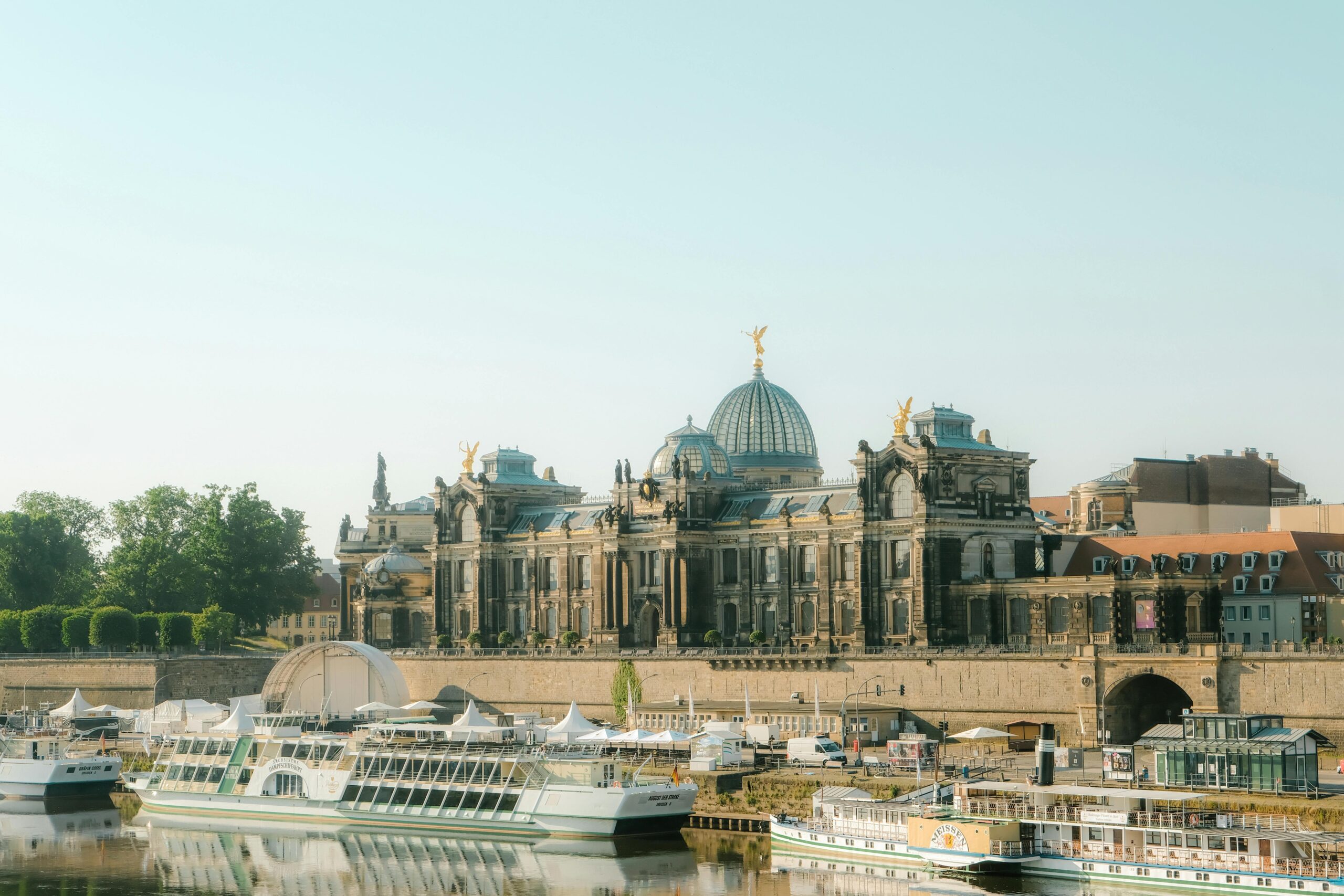
Emerging into Saxony feels like you’re moving back in time to a golden era.
There is a richness to the region that reveals itself through architecture, music, craftsmanship, and landscape all at once. Grand opera houses rise above elegant riverfront promenades. Hilltop fortresses overlook vineyard-covered valleys. Baroque palaces and carefully restored historic centers sit beside reminders of East Germany’s more recent past.
Located in eastern Germany along the borders of Poland and the Czech Republic, Saxony has long been one of the country’s cultural powerhouses. On the international scale, however, it often remains overshadowed by Bavaria or Berlin.
That makes visiting Saxony feel a bit like discovering hidden treasure.
The state carries centuries of artistic and intellectual legacy, and also boasts its own brand of resilience. Many of its cities were heavily damaged during World War II and later shaped by decades behind the Iron Curtain. Today, restoration and reinvention exist side by side in a way that adds color to your experience.
Saxony does not present a clear-cut depiction of Germany.
It presents one of the most layered.
The Way to Experience It
Per my favored method of travel, Saxony is approached best in balancing a range of activities.
Dresden offers grandeur almost immediately, with sweeping Baroque architecture, major museums, and one of Europe’s great opera traditions. Leipzig feels younger and more creative, balancing classical music history with contemporary art, cafés, and a fast-evolving cultural scene. Smaller towns and natural areas beyond the cities allow you to revel in country traditions and pacing.
Don’t limit yourself to merely checking off a city or two in the region and moving on.
Saxony will stick with you when you allow space between major landmarks. A morning spent in a world-renowned museum pairs beautifully with an afternoon wandering riverside terraces or lingering in a quiet wine village along the Elbe.
The landscapes are an important part of the experience, and diversifying your days will prevent museum fatigue and similar activities getting confused in your memory.
The Elbe River cuts through much of the region, connecting elegant cities with sandstone formations, castles, and vineyard-covered hillsides. Saxon Switzerland National Park, near the Czech border, looks cinematic with its dramatic rock formations and forested hiking trails.
Rather than focusing only on famous sites, soak in Saxony’s atmosphere: music drifting from church interiors, restored facades glowing at sunset, and the wonder of art and history twining together to shape this space uniquely.
Food: The Real Highlight
Saxon cuisine remains true to German heartiness, and crosses borders to incorporate both Polish and Czech cuisines.
Potatoes, dumplings, roasts, and seasonal vegetables appear frequently, particularly in smaller towns and countryside inns. Sauerbraten and rich meat dishes remain staples, especially during colder months, while freshwater fish from local rivers also appear throughout the region.
But Saxony’s food culture becomes especially interesting through its desserts and café traditions.
The region is closely tied to Germany’s longstanding, though lesser known, coffeehouse culture, particularly in cities like Leipzig and Dresden. Cakes, tortes, and pastries are treated with remarkable seriousness here. Dresdner Stollen—the famous fruit bread associated with Christmas—originates in Saxony and remains one of Germany’s most iconic seasonal specialties.
The wine culture may also be a pleasant surprise for you.
The Saxony wine region, centered along the Elbe near Dresden and Meißen, is one of Germany’s smallest but oldest wine-producing areas. Terraced vineyards climb steep hillsides above the river, producing crisp white wines that pair naturally with the region’s lighter seasonal dishes.
You might not find the most instagrammable dishes in Saxony, but what the state offers will certainly leave you satisfied.
Art, Music & Living History
Saxony has had a distinct cultural influence on Germany.
Dresden alone holds an extraordinary concentration of artistic and architectural significance. Often called the “Florence on the Elbe,” the city is home to renowned museums, royal collections, and restored landmarks that reflect the wealth and ambition of Saxony’s former rulers. Walking through the rebuilt historic center today is both beautiful and emotionally complicated once you understand how much of it was lost during World War II.
Leipzig offers a different but equally compelling identity.
Johann Sebastian Bach worked here for decades, and the city’s musical legacy remains woven into daily life through concert halls, churches, and conservatories. At the same time, Leipzig has evolved into one of Germany’s most dynamic creative centers, attracting artists, designers, and entrepreneurs drawn to its energy and relative affordability.
Elsewhere, Saxony continues to unfold through smaller destinations.
Meißen is internationally known for its porcelain production. Görlitz contains one of Europe’s most beautifully preserved historic centers and has become a favorite filming location for international directors. Fortress towns, castles, and monasteries appear throughout the countryside, often without the crowds found in Germany’s more globally famous regions.
What makes Saxony memorable is how beautifully these layers coexist.
Royal history, artistic achievement, industrial legacy, Cold War memory, and contemporary creativity all remain visible at the same time.
If I Were Planning This Trip
Stay:
I would divide this trip between Dresden and Leipzig, ideally with at least a short stay in a smaller Elbe Valley town or near Saxon Switzerland National Park. That combination provides both cultural depth and access to the region’s landscapes.
Do:
Prioritize a blend of culture and nature. Spend time in museums and concert halls, but also leave room for river walks, wine terraces, café culture, and smaller towns beyond the major cities. If possible, include a day exploring the sandstone formations and hiking trails of Saxon Switzerland.
Timing:
Late spring through early autumn offers the best combination of outdoor access and cultural programming. December is also exceptional thanks to Saxony’s historic Christmas markets and long-standing holiday traditions.
Who This Place Is (and Isn’t) For
Saxony is ideal for travelers who want to feel culturally immersed in Germany rather than observe it from the sidelines.
It particularly suits people drawn to music, architecture, art history, and destinations with visible historical complexity. Travelers who enjoy balancing museums with nature, or grand cities with smaller regional towns, will likely find Saxony especially rewarding.
This may not be the right fit for someone seeking a relaxed resort-style trip or a simplified “storybook Germany” itinerary.
Saxony will call visitors to engage a little more deeply than that, and leave you all the better for it.
In Conclusion
Saxony carries both beauty and history with remarkable cohesion.
Its cities are elegant without feeling detached. Its landscapes are dramatic without overwhelming the cultural experience. And throughout the region, there is a strong sense that craftsmanship, music, and artistic identity still genuinely matter.
Perhaps that is what lingers most after visiting Saxony.
Not simply the landmarks themselves, but the feeling of a place that continues to create, restore, and reinvent while remaining deeply connected to its past.

Let’s work on your personalized Germany itinerary!
Find me on Travel Leaders Network!


